aesthetic Services
Facial Fat Transfer
Restore natural contours and volume with facial fat transfer - a regenerative aesthetic treatment that uses your body's own fat and stem cells to restore fullness and rejuvenate the skin.

Rated 5/5


Facial fat transfer is an alternative to traditional fillers. This technique has been safely used for decades in reconstructive and aesthetic surgery, and its popularity has grown in recent years as more people seek natural, longer-lasting alternatives to traditional fillers. It involves harvesting a small amount of your own fat from areas such as the abdomen or thighs and injecting it into facial areas that have lost volume due to ageing, weight loss or genetics. Fat transfer delivers progressive, natural-looking results by replacing lost volume with your own fat cells, helping to soften lines and enhance facial contours.
How Does Facial Fat Transfer Work?
Facial fat transfer replaces lost contours with your own tissue. The process begins with a small, low-pressure liposuction to collect fat, usually from the abdomen or thighs. That fat is rinsed and filtered so healthy cells remain, and these are then placed in thin layers where volume is needed, such as the cheeks, temples, under-eyes or jawline. Results tend to offer longer-lasting, more biocompatible results than synthetic fillers.
How Long Does a Typical Treatment Session Take?
Each treatment session takes approximately 60 minutes and will be combined with your blepharoplasty surgery.
What Downtime Is Associated with Facial Fat Transfer?
You can usually resume activities within three to five days, allowing time for any bruising, swelling, or tenderness to settle at both the harvest and injection sites. These effects are common and typically resolve within one to two weeks, although individual healing times may vary. For a list of possible side effects, please see the Patient Safety Guide.
When Will I See Results and How Long Do They Last?
Added volume is visible straight away, though swelling makes the face look fuller for a few days as bruising settles. The grafted cells integrate, and facial contours refine over two to three months. 20–40 per cent of the transferred fat may naturally resorb in the first three to six months, so a touch-up is sometimes planned once the final shape has stabilised.
Treatment areasWhich areas can be treated?

Cheeks:Restores fullness and natural curves to deflated or flattened cheeks.
Temples:Rebuilds definition and volume in hollowed temple regions.
Under-Eye Hollows:Fills tear trough shadows for a rested, more youthful appearance.
Jawline:Enhances definition and balances overall facial structure.
Nasolabial Folds:Softens deep folds running from the nose to the corners of the mouth.
Marionette Lines:Reduces pronounced lines running downward from the corners of the mouth.
Chin:Adds subtle projection and balance to the lower face.

Trusted Practitioner
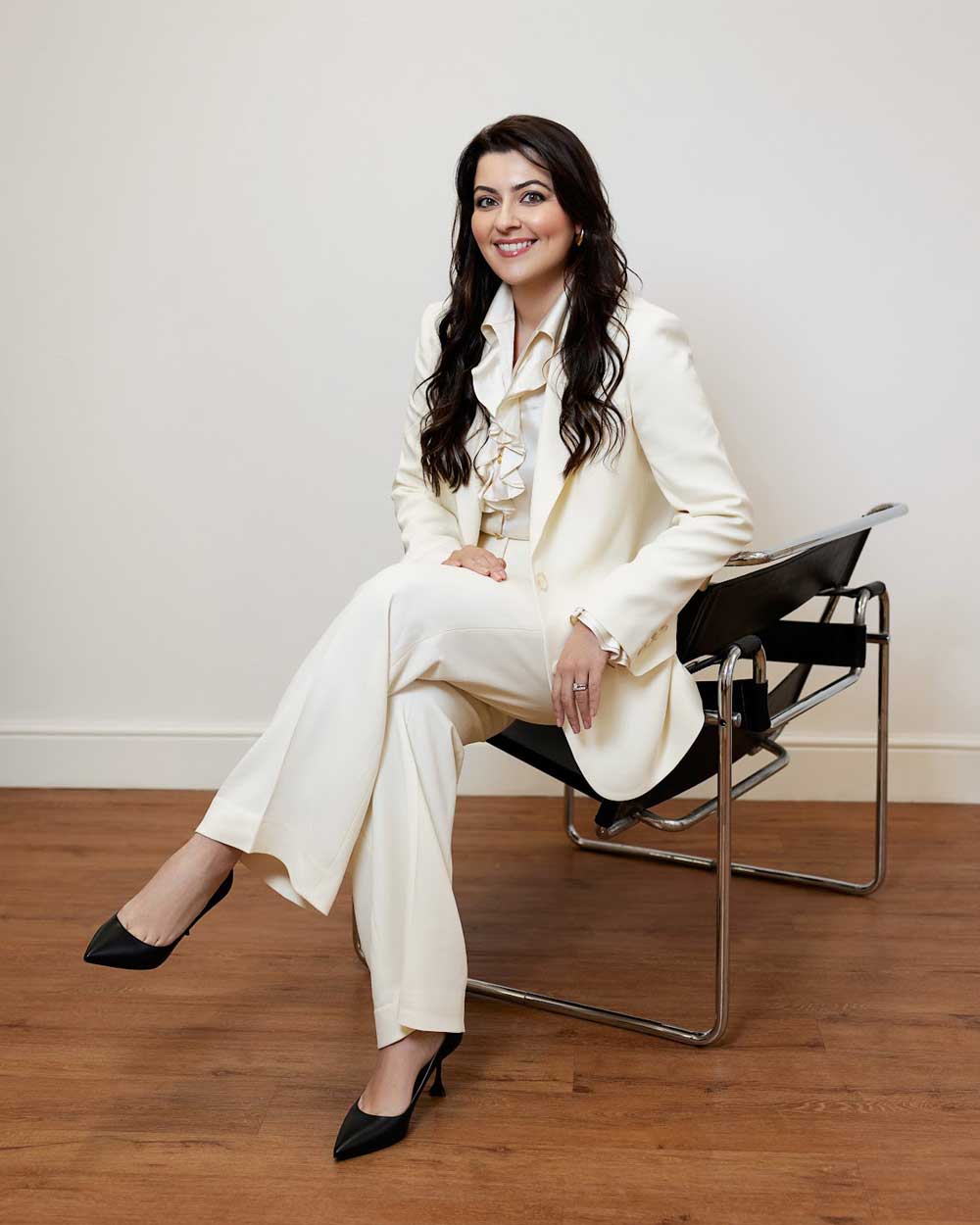
Highly experienced and serving in multiple advisory roles, Dr Hawkes stays at the forefront of industry standards and care.
Award-Winning
Award-winning and Tatter-recommended, Dr Hawkes is honoured to be commended for her achievements.
Bespoke Treatment
Using extensive facial and ocular expertise, Dr Hawkes tailors each treatment to the individual needs and natural features.
Advanced Techniques
State-of-the-art technologies and meticulous care underscore Dr Hawkes’ dedication to continuous innovation, learning and excellent results.
Concerns Treated
Which concerns can be addressed?
Volume Loss:Restores fullness to cheeks, temples and other hollowed areas.
Under-Eye Hollows:Fills tear trough shadows for a rested, more refreshed appearance.
Deep Folds & Grooves:Softens pronounced nasolabial and marionette lines.
Facial Asymmetry:Balances uneven contours with precise graft placement.
Hollow Cheeks or Temples:Rebuilds natural curves and facial definition.
Skin Texture & Tone:Enhances quality as living fat integrates with surrounding tissue.
Why choose Dr Hawkes?
Bespoke care,
natural results.
Bespoke Treatment: Dr. Hawkes meticulously formulates a personalised treatment plan specifically tailored to your individual needs, medical background, and aspirations.
Excellence in Treatment:With over 20 years of medical and surgical training, Dr Hawkes offers expertise in eye surgery, eye care and aesthetic treatments.
Top-tier Facility: Dr Hawkes is the lead Oculoplastic Surgeon at the internationally renowned Cadogan Clinic in Chelsea, London, where your safety and comfort are paramount.
Rated 5/5
Patient Safety Guide
Patient safety is Dr Hawkes' top priority. She upholds the highest safety standards at every stage to ensure the best possible care.
Pre-Treatment:
- Consultation: Dr Hawkes begins with a thorough consultation to assess your medical history, expectations, and concerns.
- Health Assessment: A health evaluation is conducted to ensure you are a suitable candidate for facial fat transfer.
During Treatment
- Qualified Surgeon: Your treatment is performed by Dr Hawkes, a certified and experienced surgeon specialising in oculoplastic surgery and aesthetic treatments.
- Hygiene & Sterilisation: Dr Hawkes ensures a sterile environment and uses meticulous procedures to reduce any risk of infection.
- Technique: Advanced techniques are employed for both the fat-harvest and injection stages to ensure precise, natural-looking results.
Post-Treatment
- Post-Treatment Care Instructions: Post-treatment guidelines are provided to ensure optimal healing and minimise potential complications.
- Emergency Protocols: Emergency protocols are in place to manage severe reactions or complications.
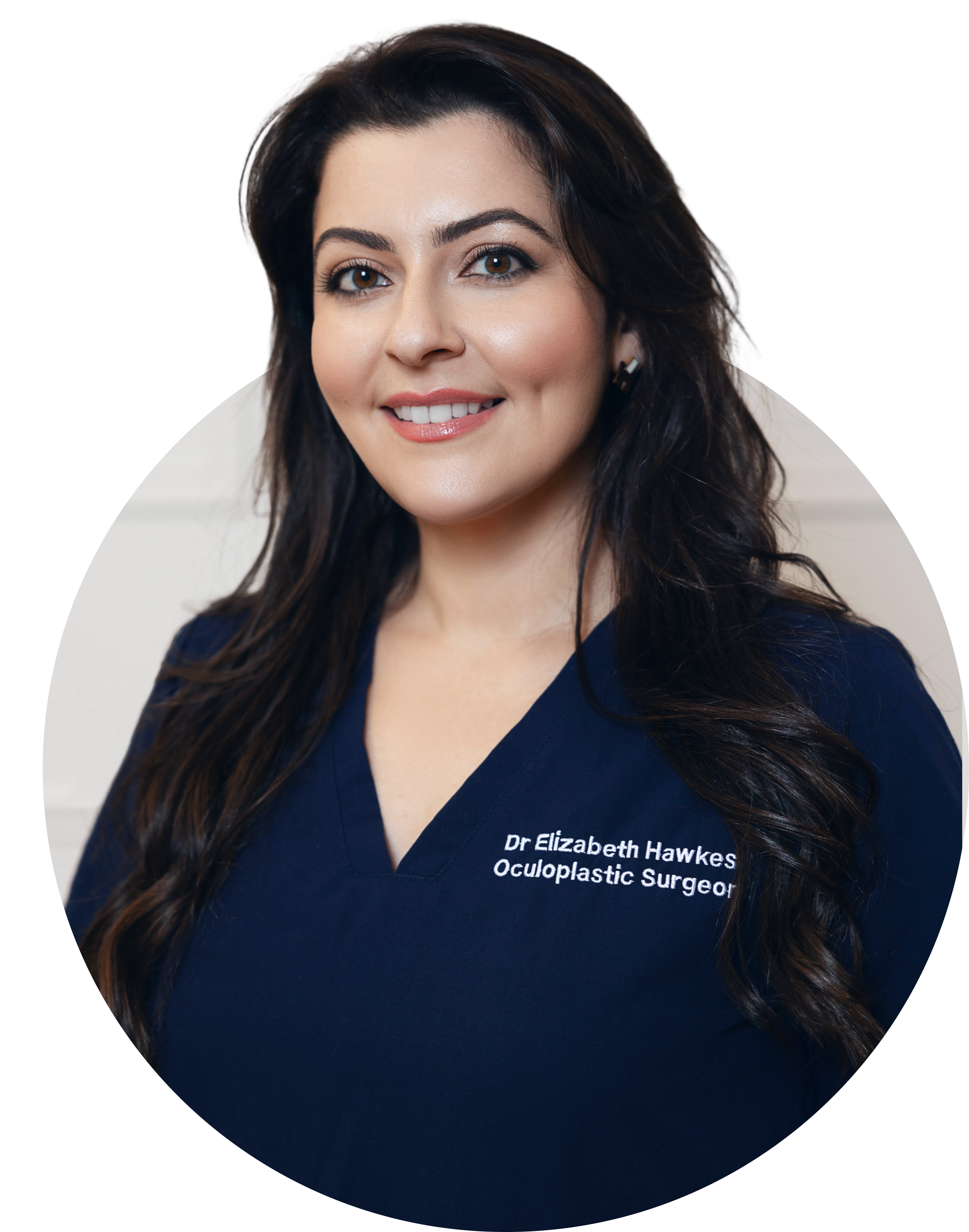


Dr Hawkes serves as a Clinical Advisor for the Complications in Medical Aesthetics Collaborative and Aesthetics Journal.
Frequently Asked Questions
Dr Hawkes is available to address your inquiries. Should you have questions, we kindly invite you to reach out.
ContactCan I have treatment if I'm pregnant or breastfeeding?
No. Most aesthetic treatments are not recommended during pregnancy or breastfeeding, and caution is advised if you are trying to conceive. Even though some procedures use your own tissue, hormonal changes during this time can affect healing and results. In addition, safety data for these groups is limited. Dr Hawkes will be happy to discuss the best timing for treatment based on your plans and personal circumstances.Can I have treatment if I'm pregnant or breastfeeding?
Does Facial Fat Transfer help with collagen production?
Facial fat transfer is primarily used to restore lost volume, but it may also have a positive effect on skin quality. The transferred fat contains regenerative cells, including adipose-derived stem cells, which may support collagen production and tissue repair in the treated areas. While its main benefit is structural, some patients also notice improved skin texture and tone over time.Does Facial Fat Transfer help with collagen production?
Does Facial Fat Transfer restore lost facial volume?
Yes. Facial fat transfer is specifically designed to restore volume using your own fat. It can replenish areas that have become hollow or sunken over time, such as the cheeks, temples, under-eyes, or jawline. The result is a fuller, more balanced appearance that often looks and feels more natural than synthetic fillers. The transferred fat integrates with your existing tissue and once settled can offer long lasting improvement.Does Facial Fat Transfer restore lost facial volume?
How does traditional facial fat transfer differ from Nanofat?
Traditional facial fat transfer is designed to restore volume using whole, living fat cells taken from your own body. After gentle liposuction, the fat is filtered and injected into deeper areas of the face to fill hollows, soften contours, and create long-lasting structural enhancement. Nanofat is processed into a fine, cell-rich solution that no longer contains intact fat cells. It is used to improve skin quality by supporting collagen production and tissue repair in the superficial layers of the skin.How does traditional facial fat transfer differ from Nanofat?
How many Facial Fat Transfer sessions will I need?
Most patients achieve their desired results with just one session. However, because the body naturally reabsorbs a portion of the transferred fat in the first few months, a touch-up treatment is sometimes recommended. Dr Hawkes will assess your needs and discuss whether a single session or staged approach is best for your goals.How many Facial Fat Transfer sessions will I need?
Is Facial Fat Transfer painful?
Facial fat transfer is generally well tolerated. A local anaesthetic is used during the procedure to keep you comfortable, and any discomfort is usually mild. You may experience some tenderness, swelling, or bruising in both the area where the fat was taken and the area where it was placed. These effects typically settle within a few days to a week. Dr Hawkes will provide aftercare guidance to help you recover comfortably.Is Facial Fat Transfer painful?
What is the cost of Facial Fat Transfer?
Costs are calculated during your consultation with Dr Hawkes based on your tailored treatment plan.What is the cost of Facial Fat Transfer?
Who is a good candidate for Facial Fat Transfer?
Facial fat transfer is suitable for individuals who have experienced volume loss in areas such as the cheeks, temples, under-eyes, or jawline. If you are looking for a long-lasting, natural alternative to fillers using your own fat, this treatment may be a good option. Ideal candidates are generally in good health, have enough donor fat available, and prefer subtle, natural-looking results. Dr Hawkes will assess your facial structure, skin quality, and goals during your consultation to determine if facial fat transfer is right for you.Who is a good candidate for Facial Fat Transfer?
Who should avoid Facial Fat Transfer?
You may not be suitable for facial fat transfer if you:Who should avoid Facial Fat Transfer?
- Are pregnant or breastfeeding
- Have insufficient donor fat (very low body fat)
- Have an active skin infection or uncontrolled acne
- Have a bleeding disorder or are taking blood-thinning medication (unless advised otherwise)
- Have medical conditions that impair healing or increase the risk of complications
Will I look different straight away, or does it take time after Facial Fat Transfer?
You will notice added volume immediately after the procedure, but the face may appear fuller than expected at first due to swelling. As the swelling settles and the transferred fat begins to integrate, the results become more refined. Final outcomes typically take shape over two to three months. In some cases, a portion of the fat may naturally be reabsorbed, and a touch-up may be considered once the results have stabilised.Will I look different straight away, or does it take time after Facial Fat Transfer?
Book a Consultation
If you would like to book a consultation, please use the form below. We will respond within 2 working days.